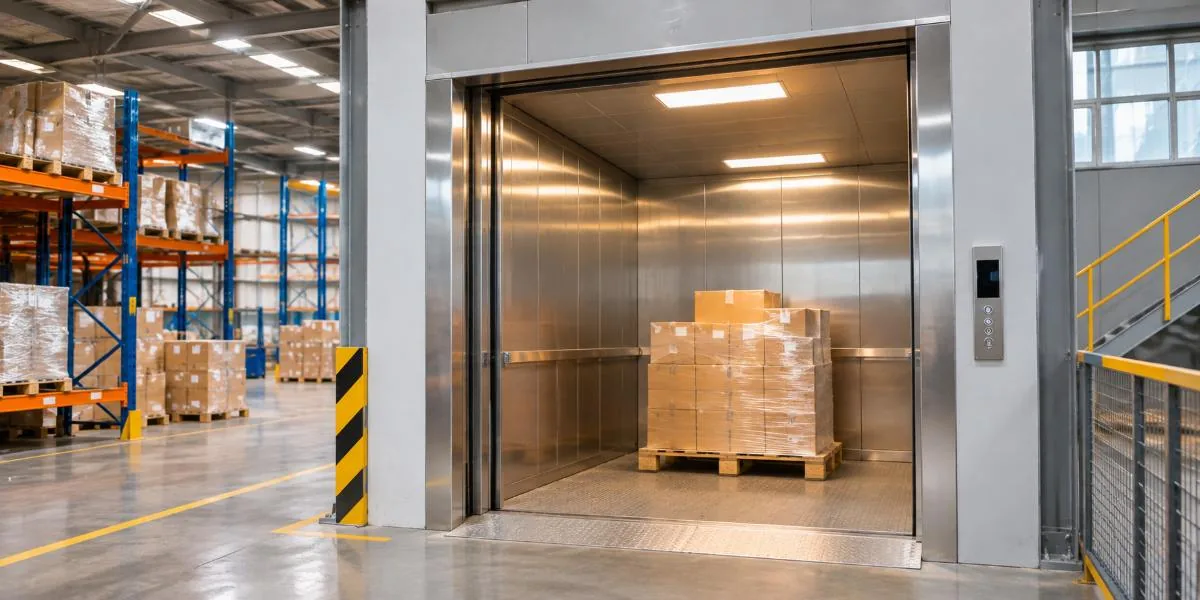
Moving goods between floors can slow down work when teams rely on stairs or manual handling. A suitable goods lift in Bangalore helps warehouses, factories, shops, and commercial buildings move materials more efficiently. The right system depends on the load, building layout, and daily movement. BG Tatva Elevators helps property owners understand these needs before choosing equipment. A clear plan also helps avoid costly changes during construction or installation. Discussing site conditions with BG Tatva Elevators can help you compare practical options.
A goods lift is not simply a larger passenger lift. It is designed around the materials being moved, how often they travel, and who operates the system. A small retail store may need a compact lift for cartons. A factory may move heavy components throughout each shift. Choosing the correct design can improve workflow and reduce unnecessary physical effort.
Types of Goods Lifts for Different Workloads
The type of lift you choose should match the weight, size, and movement of your goods. Think about the heaviest regular load, not only the average load. Also consider how goods enter and leave the cabin. The right arrangement can make loading faster and reduce handling risks.
Hydraulic Goods Lifts
Hydraulic systems use a hydraulic mechanism to raise and lower the platform or cabin. They may suit certain low-rise buildings and applications that need steady movement. Their suitability depends on load, travel height, site conditions, and system design.
Before selecting one, ask about the space needed for the equipment and its supporting components. Confirm the rated capacity and expected operating cycle. A site assessment helps establish whether this option suits your building.
Traction and Other Lift Arrangements
Traction systems use a motor and ropes or belts to move the cabin. They may suit buildings with greater travel needs, depending on the design. Other arrangements may use a guided platform for specific material-handling tasks.
Do not select a system based on its name alone. Compare the design, operating needs, maintenance plan, and building requirements. Ask the supplier to explain why the proposed arrangement fits your use.
Common Applications Across Warehouses, Factories, and Commercial Buildings
Goods lifts support many types of businesses. Their role can differ based on the goods, floor layout, and movement schedule. Understanding the application helps you choose the right capacity and cabin arrangement.
Warehouse and Factory Material Movement
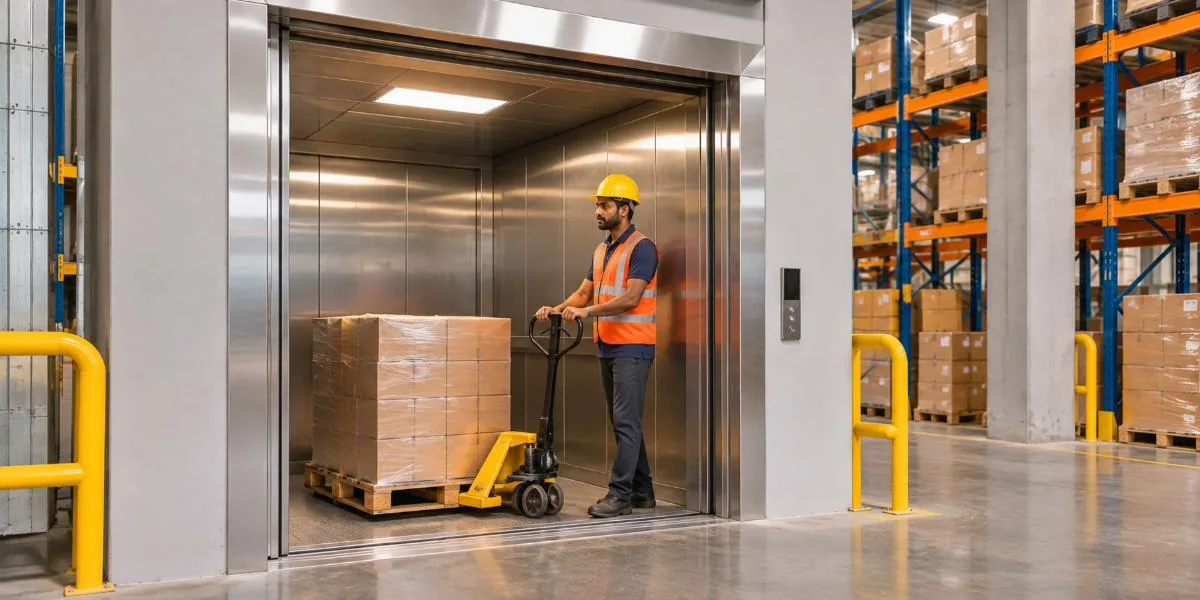
A warehouse goods lift in Bangalore can help move cartons, pallets, stock, and packed orders between storage levels. The lift should suit the dimensions of the goods and the equipment used to load them. If staff use trolleys or pallet trucks, include their size in the planning.
Consider where goods arrive, where they are stored, and where orders are prepared. A lift placed near the main movement route can reduce unnecessary travel. Keep loading and unloading areas clear to prevent congestion.
A factory goods lift in Bangalore may carry raw materials, machine parts, tools, or finished products. The system must suit the weight and shape of these items. It should also fit the factory's work schedule and movement pattern.
For example, a production floor may send materials upstairs at set intervals. A lift with suitable capacity and door access can support this routine. Discuss dust, heat, moisture, and other site conditions during planning.
Retail, Hospitality, and Commercial Use
Shops, hotels, restaurants, and office buildings may need lifts for supplies and equipment. These lifts can keep material movement separate from passenger areas. This can help maintain smoother public access during busy periods.
A restaurant may move food supplies between storage and kitchen levels. A retail store may transfer cartons from a stockroom to the sales floor. In each case, the cabin should suit the items and the staff handling them.
Key Features to Review Before Selecting a Goods Lift
A useful specification starts with the work the lift must perform. Avoid choosing features only because they appear in a brochure. Focus on the details that affect daily use, safety, and service life.
Load Capacity, Cabin Dimensions, and Access
List the heaviest items that the lift will carry. Include the weight of trolleys, pallets, or containers where relevant. Then check the size of the largest item and how it will enter the cabin.
Capacity and cabin size are related, but they are not the same thing. A lift may support the required weight yet lack enough floor space. Share real measurements with the supplier before approving a design.
Door size and position can affect how quickly staff move goods. Consider whether loading happens from one side or more than one side. Through-loading may help when goods need to pass between separate areas.
Controls should be easy for trained operators to understand. Their position should support safe loading and operation. Ask how the lift responds if a door is not fully closed.
Safety and Protection Systems
Safety features should suit the lift design and its operating environment. Ask about door interlocks, overload protection, emergency communication, and suitable stopping arrangements. Confirm which features are included in the proposed model.
The supplier should explain safe loading limits and operating procedures. Staff should know how to position goods and avoid blocking doors. Never allow people to ride in a goods-only lift unless its design and approval specifically permit it.
Benefits of Installing a Goods Lift
A well-planned lift can improve how a building handles materials. It can reduce repeated manual carrying and help teams move stock between levels. The value comes from matching the equipment to the actual workflow.
Some important benefits include:
- Faster movement: Staff can transfer goods between floors with less manual effort.
- Better workflow: Placing the lift near storage or production areas can reduce travel.
- Reduced handling strain: Workers do not need to carry heavy items up stairs.
- Improved space use: Multi-level buildings can use upper floors more effectively.
- More organised operations: A defined route can make stock movement easier to manage.
A multi floor goods lift in Bangalore can be useful when a business uses several levels for storage or production. However, the lift alone will not fix a poorly planned workflow. Keep access routes, loading zones, and storage areas organised around it.
Planning Goods Elevator Installation in Bangalore
Installation planning should begin before the building work reaches the lift stage. Early coordination gives the supplier and construction team time to check dimensions and site needs. It can also reduce changes after the structure is complete.
Site Survey and Technical Drawings
A site survey helps confirm the available space and building conditions. The supplier should review the proposed shaft or lift well, pit, overhead, access, and power needs. Exact requirements vary by system and model.
Ask for drawings that show the required dimensions and interfaces. Share them with the architect, structural engineer, and contractor. Do not rely on general measurements from another project.
Installation, Testing, and Handover
The installation team should work from approved drawings and agreed specifications. Before handover, the system needs suitable checks and testing. Ask what tests are carried out and which records you will receive.
Clarify who is responsible for civil work, electrical supply, and site readiness. Confirm the expected installation schedule and how delays will be communicated. These details help avoid confusion between different project teams.
Maintenance and Daily Operation
A goods lift needs planned maintenance after installation. Ask for the recommended service schedule and the process for reporting faults. Check whether the service agreement covers parts, labour, and emergency visits.
Train the staff who will operate the lift. They should understand the rated load and correct loading method. Keep the cabin and landing areas free from loose materials that may affect safe operation.
Frequently Asked Questions
What is the difference between a goods lift and a passenger lift?
A goods lift is designed mainly to move materials, while a passenger lift is designed to carry people. Their cabin layout, controls, and safety arrangements may differ. Always use each lift only for its approved purpose.
Can a goods lift be installed in an existing building?
It may be possible, but the building needs a proper site assessment. Available space, structural support, floor openings, and power supply all matter. A technical survey can identify what changes may be needed.
How do I choose the right goods lift capacity?
Start with the heaviest load you expect to move regularly. Include pallets, trolleys, and containers in the total weight. Also measure the largest item to confirm cabin size and door access.
Does a goods lift need regular servicing?
Yes. Regular servicing helps identify wear and faults before they cause disruption. Follow the maintenance plan for the selected equipment and keep service records.
Conclusion
Choosing a goods lift in Bangalore starts with understanding the goods, workload, and building layout. Compare lift types, capacity, cabin dimensions, access, and safety features before making a decision. A proper site survey and clear technical drawings can prevent avoidable changes. Plan for staff training and regular maintenance as part of the project.
The most suitable system is one that supports your daily work without adding complexity. Discuss the heaviest loads, movement routes, and future needs with an experienced provider. BG Tatva Elevators can help you review the requirements and understand suitable options. Contact BG Tatva Elevators to discuss a goods lift solution for your building.
Follow BG Tatva Elevators on Instagram for home elevator solutions, innovative designs, installation projects, maintenance tips, and the latest updates.