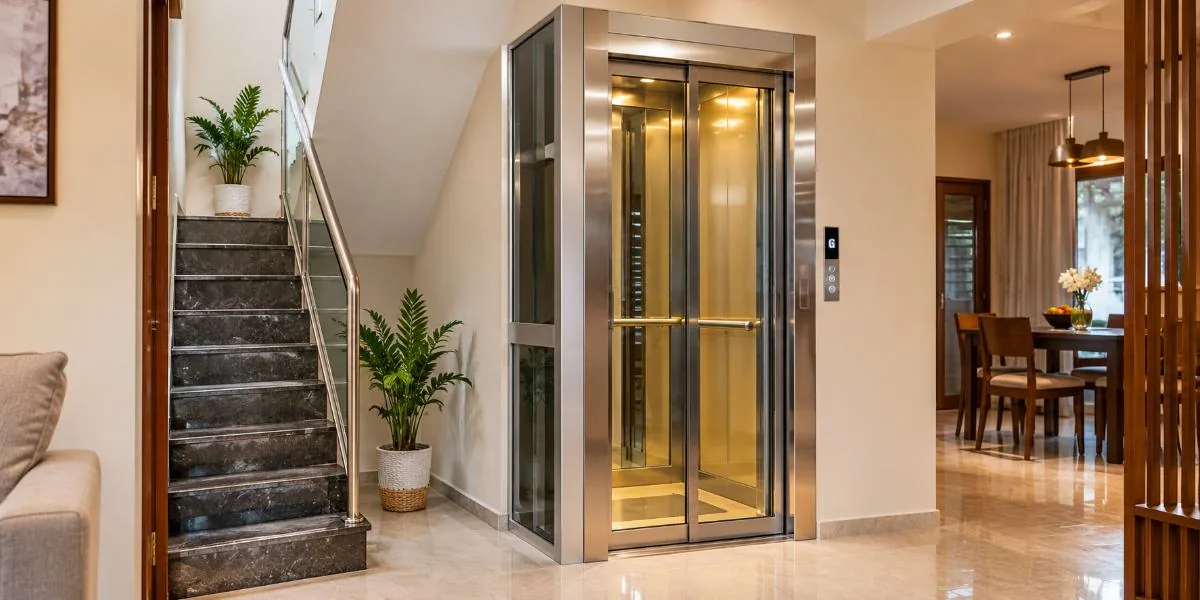
Imagine living in a beautiful independent house with three floors and a spacious terrace. Climbing the stairs repeatedly can become tiring, especially for older family members. Carrying groceries, moving luggage, and accessing bedrooms can also become inconvenient. This is why many homeowners consider home elevators in Bangalore when planning comfortable living spaces. While exploring suitable options, homeowners can consider the residential solutions offered by BG Tatva Elevators.
However, choosing a residential elevator requires more thought than selecting an attractive cabin. You need to understand available space, passenger capacity, safety features, and installation requirements. The right planning also helps avoid unnecessary construction changes. Comparing suitable options from providers such as BG Tatva Elevators can help homeowners understand their requirements before making a decision.
Why Are Home Elevators Becoming Important for Modern Houses?
Residential buildings are changing as homeowners focus more on comfort and accessibility. Independent houses, duplex properties, and luxury villas often have multiple floors. Moving between these levels several times daily can become difficult for certain family members.
A residential elevator makes everyday movement more convenient. It allows people to access different floors without depending entirely on staircases.
Consider a family where elderly parents live on the first floor. They may find frequent stair climbing uncomfortable. A residential lift provides easier access to bedrooms and common areas.
Home elevators also offer practical benefits beyond accessibility.
- Daily convenience: Carry groceries, luggage, and household items between floors.
- Better accessibility: Support elderly residents and people with mobility difficulties.
- Comfortable movement: Reduce the effort required to access upper floors.
- Modern appearance: Complement contemporary residential architecture.
- Long-term planning: Prepare the house for changing family requirements.
However, installing an elevator should solve an actual household requirement. Consider your family's daily routine before deciding on the investment.
Which Type of Home Elevator Should You Choose?
Different residential properties require different elevator arrangements. Your choice should depend on available space, building design, passenger requirements, and personal preferences.
Enclosed Residential Elevators
Enclosed elevators feature a cabin surrounded by walls or panels. They provide privacy and a familiar travelling experience. These systems can suit independent houses and multi-storey residential properties.
Before selecting one, compare its capacity, cabin dimensions, door arrangement, and operating system. Also, understand the maintenance requirements and available service support.
Glass Elevators for Modern Residential Designs
A glass lift for home can create an attractive feature within contemporary houses. Transparent panels allow natural light to pass through the surrounding area. They can also make the elevator appear less enclosed.
Glass elevators are often considered for villas and homes with modern architectural designs. However, appearance should not become the only selection factor.
Consider these practical points before choosing a glass design:
- Check the quality and strength of the glass.
- Understand the structural support requirements.
- Consider privacy around the installation area.
- Discuss cleaning access and maintenance requirements.
- Compare the overall installation space.
A glass design may require regular cleaning to maintain its appearance. Therefore, consider its daily maintenance alongside its visual appeal.
Compact Elevators for Smaller Residential Spaces
Some houses have limited space for conventional elevator arrangements. Compact residential systems may provide suitable alternatives, depending on their technical requirements.
Before selecting a compact model, arrange a property inspection. Ask the supplier for technical drawings showing the required shaft and cabin space.

How Do You Select the Right Home Elevator Size?
Choosing the correct home elevator lift size is important for everyday comfort. A cabin that accommodates one passenger may not suit an entire family. Think about how many people will use the elevator together.
Start by identifying your household's requirements. Consider elderly residents, children, wheelchair users, and regular household activities.
Here are five important factors to evaluate:
- Passenger capacity: Decide how many people should travel together.
- Available space: Measure the proposed installation area carefully.
- Door opening: Check comfortable entry and exit arrangements.
- Accessibility: Consider wheelchair access and mobility requirements.
- Usage frequency: Understand how often family members need the elevator.
For example, a small household may prefer a compact cabin. However, a family supporting an elderly relative may require additional space.
Remember that passenger capacity and cabin dimensions are different measurements. The rated load indicates the permitted weight. Cabin dimensions determine the usable space inside the elevator.
Always compare both details before selecting a residential model.
What Home Elevator Dimensions Should You Check Before Installation?
Understanding home elevator dimensions before construction can prevent unnecessary structural changes. Every elevator model has specific space requirements. These requirements depend on its design, capacity, technology, and building arrangement.
Here are the important measurements homeowners should understand.
Elevator Shaft Dimensions
The shaft is the vertical space where the elevator travels between floors. Its width and depth depend on the selected elevator model.
Ask the supplier for the exact shaft measurements. Share the technical drawing with your architect before starting construction.
Cabin Dimensions
Cabin dimensions determine the available passenger space inside the elevator. Consider the number of occupants and their movement requirements.
Also, check the door opening width. This becomes especially important when elderly people or wheelchair users need access.
Pit Depth
The pit is the space below the lowest elevator landing. Its depth depends on the elevator system and installation arrangement.
Some residential models may have different pit requirements. Confirm the exact measurement before completing the ground-floor construction.
Headroom and Overhead Space
Headroom refers to the clearance above the highest elevator landing. It provides space for specific equipment and safety arrangements.
Discuss this requirement during the building design stage. Ignoring overhead measurements can create difficult structural changes later.
Never depend on general online measurements for actual construction. Request model-specific drawings and confirm every measurement with qualified professionals.
What Should You Consider Before Buying a Home Elevator?
Selecting an elevator involves more than comparing designs and prices. You should understand the complete installation process and long-term responsibilities.
Use this checklist when comparing different residential elevator options.
Factor | What You Should Check |
|---|---|
Passenger capacity | Rated load and suitable cabin space |
Installation | Shaft, pit, and overhead requirements |
Safety | Door sensors and emergency arrangements |
Power supply | Electrical requirements and backup options |
Design | Compatibility with your home interiors |
Maintenance | Service frequency and support availability |
Warranty | Coverage, exclusions, and service conditions |
Ask suppliers to explain their quotations clearly. Check whether installation, electrical work, and additional civil work are included.
You should also understand the elevator's emergency procedures. Ask how passengers can communicate during a power failure. Confirm the available rescue arrangements for the selected system.
Compare warranty coverage and maintenance costs before making your final decision. A lower initial quotation may not include every important service.
How Can You Prepare Your House for Elevator Installation?
Planning the elevator during construction is usually easier than modifying an existing house. Your architect can allocate suitable space before finalising the building layout.
For a new property, discuss the elevator location early. Consider how it connects with bedrooms, living areas, and other frequently used spaces.
Existing houses require a more detailed inspection. A qualified professional should examine the structure and available installation area.
Follow these practical steps:
- Identify a suitable location with convenient floor access.
- Check the building structure and available space.
- Confirm shaft and cabin measurements.
- Review electrical connections and power requirements.
- Discuss civil work and installation responsibilities.
- Understand maintenance and emergency arrangements.
Avoid selecting an installation location simply because it looks attractive. The proposed location must also satisfy technical requirements.
Keep the approved drawings available during construction. This helps your architect, builder, and elevator supplier follow the same measurements.
Frequently Asked Questions
Are Home Elevators Suitable for Independent Houses?
Yes, residential elevators can suit independent houses with multiple floors. The suitable model depends on available space, building structure, and household requirements.
Can a Glass Elevator Be Installed Inside an Existing Home?
Certain glass elevator systems may suit existing houses. However, installation depends on structural conditions, available space, and technical requirements.
How Many People Can Use a Home Elevator Together?
Passenger capacity varies according to the selected model and rated load. Check the manufacturer's specifications before choosing a suitable cabin.
Do Residential Elevators Require Regular Maintenance?
Yes, regular servicing helps maintain safe and reliable elevator operation. Follow the manufacturer's maintenance schedule and arrange inspections through qualified technicians.
Conclusion
Choosing home elevators in Bangalore requires careful planning around space, passenger capacity, safety, and everyday convenience. Compare different residential designs before selecting a suitable system. Understanding home elevator lift size and home elevator dimensions also helps prevent avoidable construction changes. A well-planned elevator can make multi-storey living more comfortable.
Before making your decision, discuss your building layout and family requirements with experienced professionals. BG Tatva Elevators can be considered when exploring residential elevator solutions. Contact BG Tatva Elevators to discuss your requirements and understand suitable options for your home.
Follow BG Tatva Elevators on Instagram for home elevator solutions, innovative designs, installation projects, maintenance tips, and the latest updates.