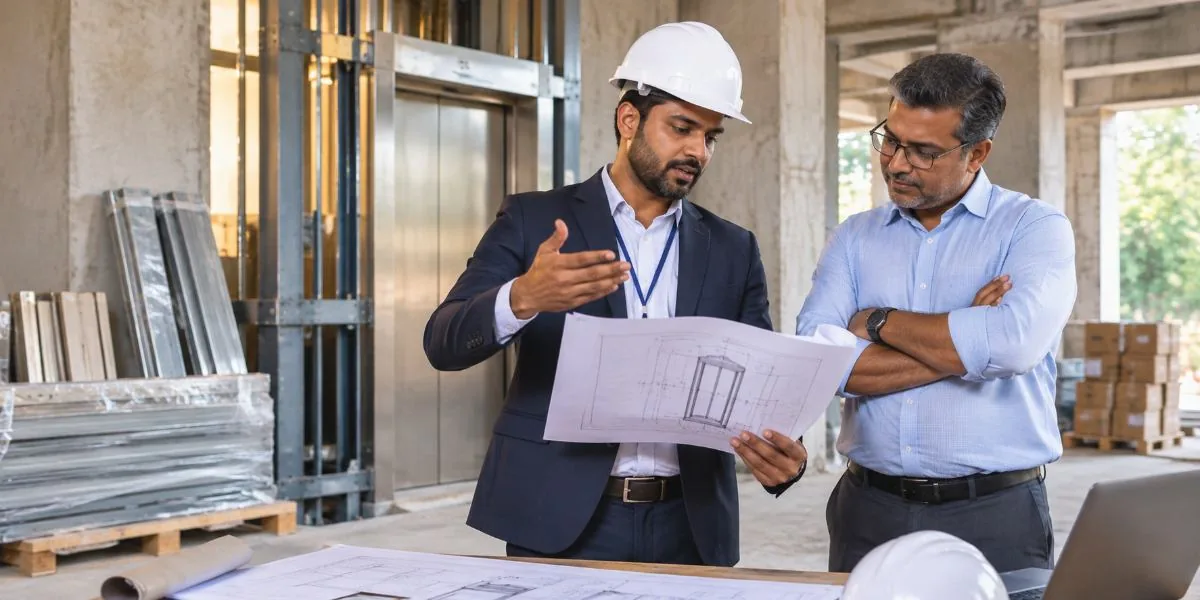
Planning a new building or upgrading an existing property often brings one important decision. You need a lift that suits the building, its users, and available space. Finding the best elevator company in Bangalore can feel difficult when several providers offer similar services. However, the right choice involves much more than comparing prices. You should understand the equipment, safety features, installation process, and service support before making a decision.
A lift also becomes part of your property's daily routine. Residents, employees, visitors, and service staff may depend on it every day. BG Tatva Elevators understands the importance of selecting a suitable lift for each building. A clear understanding of your requirements helps you compare options with confidence. It also helps you discuss practical solutions with BG Tatva Elevators or other providers.
Important Factors to Check Before Choosing an Elevator Company
A company's experience matters, but it should not be your only deciding factor. Look at how well the provider understands your building and its requirements. A suitable provider should explain the available options in simple terms. They should also discuss technical limits before recommending a particular model.
Experience with Similar Building Projects
Different buildings have different lift requirements. A private home may need a compact passenger lift. An apartment complex may require a lift that handles frequent use. Commercial buildings may need higher capacity and suitable traffic management.
Ask whether the company has completed projects similar to yours. Request details about the lift type, capacity, and installation conditions. If possible, visit an existing installation or review project photographs. This gives you a clearer idea of its work.
Technical Guidance and Clear Communication
A reliable provider should ask questions before suggesting equipment. They should understand your building height, available shaft space, and expected usage. They should also explain which options may not suit your property.
Be careful when a provider recommends a model without checking site conditions. A lift proposal should reflect actual measurements and building requirements. Clear communication at this stage can prevent expensive changes later.
Elevator Types and Their Suitability for Different Properties
Choosing the right lift begins with understanding how the building will use it. Every property has different requirements and may need a different system.
Capacity, travel height, available space, and passenger movement all influence the decision.
Passenger Elevators for Apartments and Offices
Passenger elevators support regular movement between floors. They are common in residential apartments, offices, hotels, and commercial buildings. Their capacity should match the number of people using them.
For example, a small office may need a different capacity than a busy apartment building. Consider the number of floors and peak usage periods. This helps reduce waiting time during busy hours.
Home Elevators for Private Residences
Home elevators support convenient movement within independent houses and villas. They can be useful for older family members and people with mobility needs. Their design should match the available space and home layout.
Some homeowners prefer compact systems to reduce structural changes. Others may choose a glass design to complement the interiors. Discuss the available options before finalising the layout.
Goods and Service Elevators for Workplaces
Some properties need lifts for materials rather than regular passengers. Hospitals, warehouses, hotels, and commercial facilities may require this arrangement. The lift must suit the weight and type of goods being moved.
Consider the size of the items, loading method, and frequency of use. A provider should assess these details before suggesting equipment. This helps avoid choosing a system with unsuitable capacity.
Planning Space, Capacity, and Building Requirements
A lift must fit the building without creating unnecessary design problems. Early planning gives architects, builders, and lift providers time to coordinate. It can also reduce changes during construction.
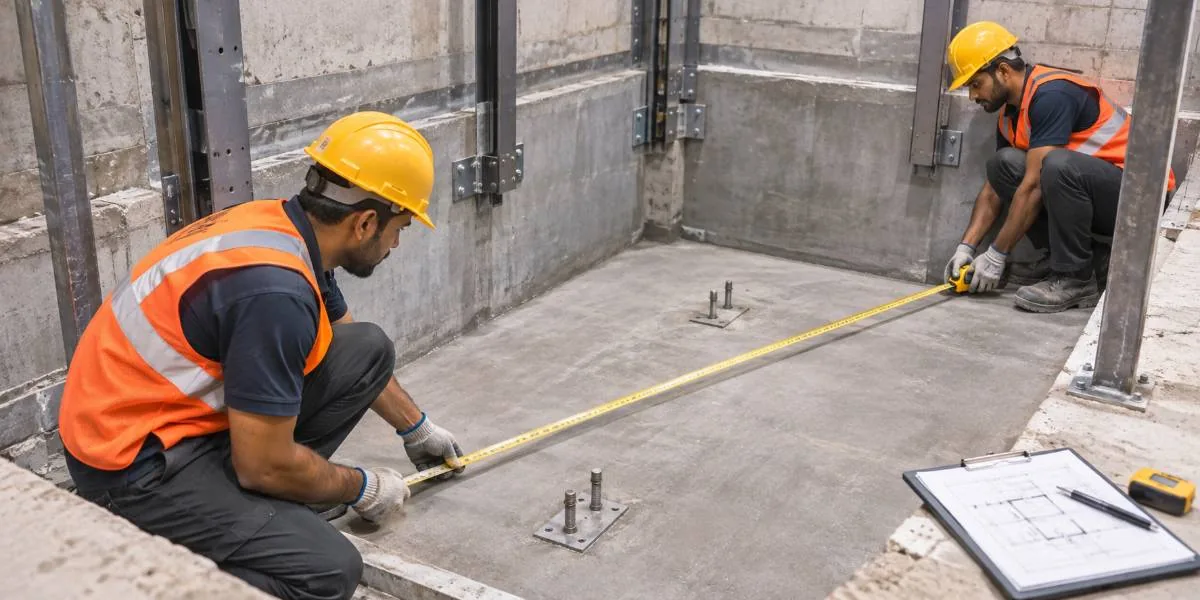
Start by reviewing the building drawings and available measurements. Check the proposed shaft, pit, overhead space, and machine arrangement. These requirements can vary between lift systems and models.
Shaft Dimensions and Structural Coordination
The lift shaft needs suitable dimensions for the selected equipment. Its size can affect cabin space, door placement, and overall building layout. Do not finalise shaft dimensions using general online measurements alone.
Ask the provider for technical drawings before construction reaches that stage. Share those drawings with your architect and structural engineer. They can review the requirements and coordinate them with the building plan.
Capacity, Cabin Size, and Daily Usage
Lift capacity should reflect how people will use the building. A residential property with fewer occupants may need a smaller system. A commercial property may experience heavier movement throughout the day.
Think about more than the number of passengers. Consider wheelchair access, luggage, furniture movement, and service needs. These details can influence the cabin size and door arrangement.
Safety Features, Installation Quality, and Compliance
Safety should remain a priority throughout the selection process. A lift contains electrical, mechanical, and control systems that must work together. The installation should follow applicable standards and local requirements.
Ask the provider to explain the safety features included in its proposal. These may include door sensors, emergency alarms, backup arrangements, and overload protection. Confirm the exact features offered for the selected model.
Installation quality also affects long-term performance. Incorrect alignment or poor coordination can cause operating issues. The installation team should follow approved drawings and the manufacturer's instructions.
Before signing an agreement, clarify these points:
- What safety systems are included in the quoted model?
- Who will supervise the installation work?
- What inspections and tests happen before handover?
- Which documents will you receive after installation?
- Who should you contact if the lift stops working?
Do not rely only on verbal promises. Ask for important technical and service details in writing. This gives you a clear reference during installation and future maintenance.
Comparing Lift Companies in Bangalore Beyond the Quoted Price
Price is important, but the lowest quotation may not offer the best value. Different providers may quote different equipment, specifications, and service terms. Compare the details before deciding between lift companies in Bangalore.
Review the Full Scope of Work
Check what the quotation includes and excludes. It should clearly describe the lift model, capacity, speed, and finishes. It should also explain installation responsibilities and any civil work requirements.
Ask whether transportation, electrical work, and testing are included. Confirm if additional charges may apply during installation. A detailed quotation makes comparisons more meaningful.
Understand Warranty and Maintenance Support
A lift needs regular inspection and maintenance after installation. Ask about the warranty period and the parts it covers. Check whether labour, replacement parts, and service visits have separate conditions.
Also ask how service requests are handled. Find out whether support is available during emergencies. A clear maintenance arrangement can help reduce unexpected disruption.
Check References and Project Details
Look for evidence of completed work rather than relying only on advertisements. Ask for references from customers with similar properties. Their experience may help you understand installation quality and after-sales support.
You can also review the provider's website and project portfolio. Look for clear technical information and consistent contact details. Avoid making a decision based only on promotional claims.
Understanding the Complete Elevator Installation Process
A well-planned installation usually follows several stages. Knowing these stages helps you prepare your building and coordinate with the provider.
- Site inspection: The team reviews the building and checks available space.
- Requirement discussion: You confirm capacity, usage, design, and other preferences.
- Technical planning: The provider prepares drawings and equipment specifications.
- Installation: The team installs the lift according to the approved plan.
- Testing and handover: The system undergoes checks before it is handed over.
Keep communication open between the provider, architect, contractor, and electrician. Delays can happen when site preparation does not match the approved drawings. Regular coordination helps everyone understand their responsibilities.
Frequently Asked Questions
How do I choose the right elevator company for my building?
Compare project experience, technical guidance, safety features, installation quality, and service support. Ask for a detailed quotation and references from similar projects. Make sure the provider checks your site before recommending equipment.
What should I consider before installing a home elevator?
Check available space, floor height, expected users, and accessibility needs. Review the shaft, pit, and overhead requirements for the selected model. Discuss design preferences and maintenance arrangements before confirming your choice.
How much space is required for an elevator?
Space requirements depend on the lift type, capacity, cabin size, and design. Shaft dimensions and structural conditions also affect the layout. Ask the provider for model-specific drawings before finalising construction plans.
Is regular elevator maintenance necessary?
Yes. Regular maintenance helps identify wear and operating issues early. It also supports reliable performance and passenger safety. Follow the maintenance schedule recommended for your equipment.
Conclusion
Choosing the best elevator company in Bangalore requires more than comparing quotations. Review the provider's experience, technical knowledge, safety approach, and service support. Make sure the proposed lift suits your building and daily usage. Careful planning can prevent avoidable changes and help the installation progress smoothly.
Take time to discuss your requirements and compare written proposals. A suitable lift should support the building's needs today and remain practical over time. BG Tatva Elevators focuses on helping property owners understand their lift requirements and available options. Discuss your project with BG Tatva Elevators to explore a suitable elevator solution for your property.
Follow BG Tatva Elevators on Instagram for home elevator solutions, innovative designs, installation projects, maintenance tips, and the latest updates.